
Commercial HVAC Automation
Deploy per-zone sensors and manage all your climate zones from one dashboard — with automated alerts when any zone drifts out of spec.
The Problem
Multi-zone climate inconsistency
Without per-zone sensors, hot and cold spots go undetected until occupants complain or equipment fails.
Reactive maintenance only
HVAC teams respond to failures after the fact because there is no continuous monitoring of duct pressure or air quality.
Energy waste from over-conditioning
Zones running full blast when occupancy is low burns energy and increases wear on equipment.
No data for commissioning or audits
Proving that a zone met temperature SLAs for a compliance audit requires historical sensor data that often does not exist.
How LoopString Solves It
Room-level sensor grids
Deploy an SHT31 in every zone. LoopString aggregates all readings into a single centralized dashboard.
Centralized multi-zone dashboard
See temperature, humidity, and air quality for every zone side-by-side and drill into any room for a detailed view.
Duct pressure & air quality monitoring
Track static duct pressure and CO₂ / VOC levels to catch filter blockages and poor ventilation before they become problems.
SLA breach alerts
Configure temperature and humidity thresholds per zone. Alerts fire immediately when any zone drifts out of spec.
Hardware You'll Use
SHT31
Per-zone temperature and humidity sensor
I²CDuct pressure sensor
Differential pressure transducer for static duct pressure
Analog / 4-20 mAMH-Z19 / CO₂ sensor
Air quality and ventilation monitoring
UARTVOC sensor
TVOC and air quality index for occupied spaces
I²C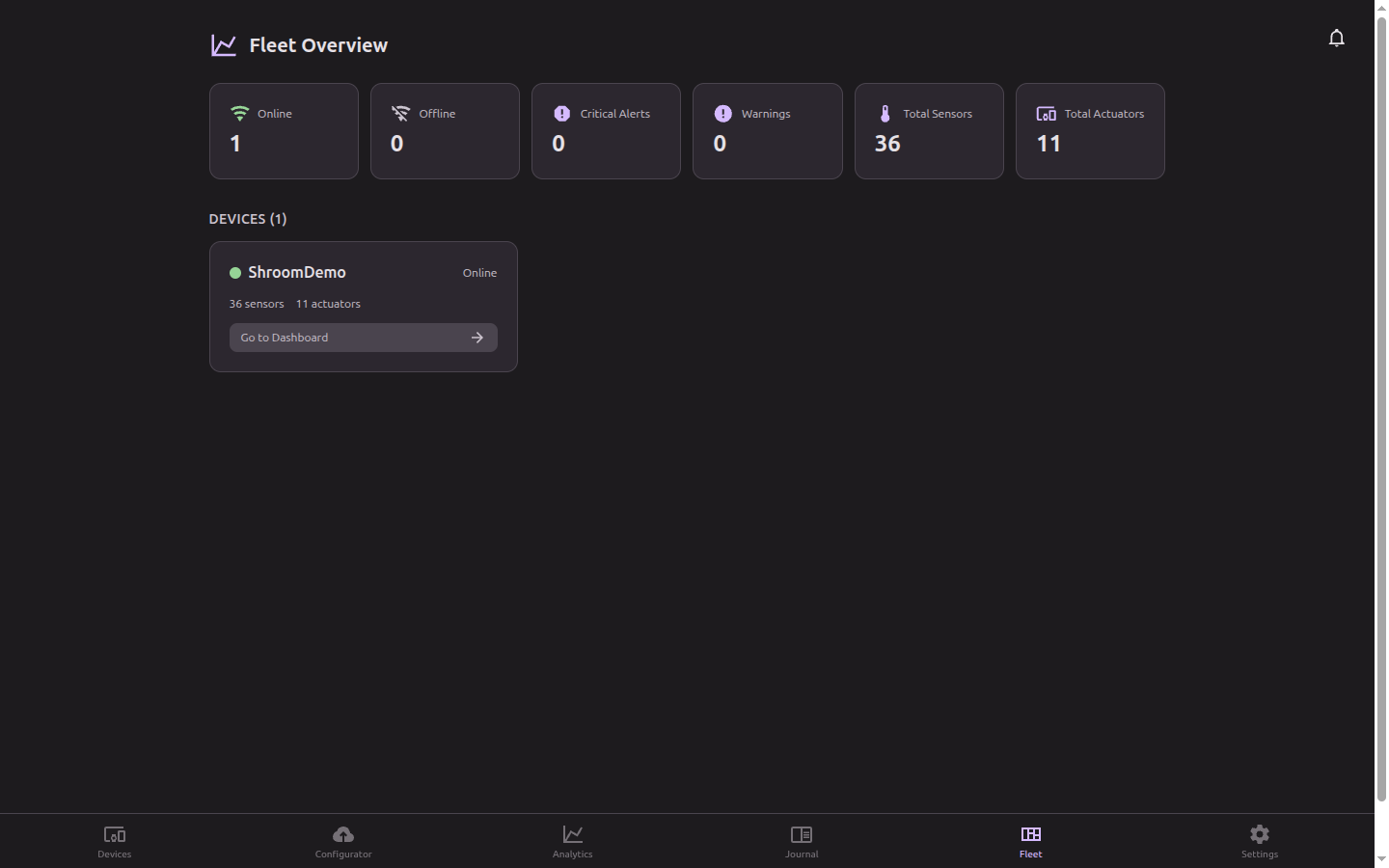
Free tools for this work
Frequently asked questions
- Can LoopString monitor and control HVAC equipment?
- Yes. It reads supply/return temperature, humidity, and differential pressure and can drive fan, damper, and stage relays from the Pi on setpoints or schedules. It complements building controls rather than replacing safety interlocks.
- Can it alert me to a failing unit before occupants complain?
- Yes. Threshold alerts catch a drifting space temperature or a clogged filter’s pressure rise, and a device-offline alert flags a unit that stops responding — all on the channels you choose.
- Can I monitor several units or sites from one place?
- Yes. A fleet view rolls up multiple units and locations, each with its own limits, and every site’s control keeps running locally on its own Pi.
Ready to unify your climate data?
Start free — no credit card required.